
That pile of clothes on the chair. The kitchen gadgets you’ve used once. The kids’ toys gathering dust in the corner. If the new year has you itching for a fresh start, you’re not alone.
January is the perfect time to declutter. The holiday excess has settled, you’re in reset mode and charities are restocking after a busy Christmas period. Your unwanted items could be exactly what someone else needs.
Here’s a practical, room-by-room guide to help you clear the clutter and donate with purpose.
Before you start: three golden rules
Be honest with yourself. If you haven’t used something in 12 months, it’s time to let it go. That ‘maybe one day’ pile? It’s not serving you.
Check the condition. Only donate items that are clean, working and something you’d happily give to a friend. Charities aren’t a dumping ground for rubbish.
Don’t overthink it. Set a timer for 30 minutes per room. Make quick decisions. The longer you deliberate, the more likely you are to keep things you don’t need.
Bedroom and wardrobe
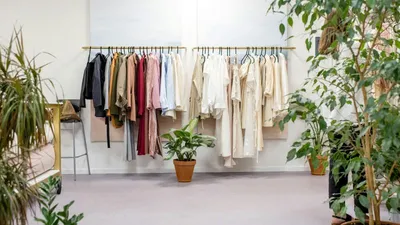
Your wardrobe is probably the biggest opportunity. Australians are the second highest consumers of textiles per capita in the world, according to Sustainability Victoria. Most of us have far more clothes than we actually wear.
Start with the obvious: anything that doesn’t fit, is worn out or makes you feel less than great. Then try the hanger trick. Turn all your hangers backwards. After a few months, anything still facing the wrong way is a clear candidate for donation.
Good to donate:
- Clothes in good condition
- Shoes with life left in them
- Bags, belts and accessories
- Hats and scarves
Vinnies and Salvos both accept clothing donations at bins and op shops across the country.
Kids’ rooms
Children grow fast, which means a constant cycle of outgrown clothes, abandoned toys and books they’ve moved beyond. Get the kids involved. Letting them choose items to give away teaches generosity and helps them feel ownership over the process.
Good to donate:
- Outgrown clothes and school uniforms
- Toys in working condition (with all the pieces)
- Books they’ve finished with
- Sports equipment they’ve outgrown
Living areas
Living rooms and common areas tend to accumulate bits and pieces over time. Be ruthless with anything that’s just taking up space.
Good to donate:
- Books, DVDs and CDs
- Homewares and decorative items
- Blankets, throws and cushions
- Board games and puzzles (complete sets only)
Find donation points near you by browsing locations in Sydney, Melbourne, Brisbane or Perth.
Kitchen
The kitchen is notorious for duplicate gadgets and aspirational purchases. That bread maker you used twice? The fondue set from 2015? Time to let them find a new home.
Good to donate:
- Duplicate appliances and utensils
- Cookware you never reach for
- Mugs, glasses and plates (complete sets preferred)
- Serving dishes and platters
Garage and storage
If you’ve been avoiding the garage, now’s the time. Storage areas become holding zones for things we can’t quite commit to letting go. Be brave.
Good to donate:
- Sports equipment in working order
- Tools you no longer need
- Camping gear
- Furniture in good condition
Lifeline and Good Sammy are great options for larger items, and some charities offer furniture collection services.
What NOT to donate
Charities can’t accept everything. Donating unsuitable items costs them time and money to dispose of. Please don’t donate:
- Broken, stained or damaged items
- Mattresses and pillows (hygiene regulations)
- Car seats and bike helmets (safety concerns)
- Large electrical appliances that don’t work
- Anything you wouldn’t give to a friend
When in doubt, check with the charity first or visit the Australian Government’s guide to reducing waste for tips on responsible disposal.
Making the drop-off easy
Once you’ve sorted your donations, make the drop-off as smooth as possible:
- Bag items by category so volunteers can sort them quickly
- Check bin locations and hours before you go
- Never leave items outside an overflowing bin as they can be damaged or become litter
- Consider op shops for quality items as staff can price them appropriately
Use our homepage search or browse the Sydney map to find your nearest donation point.
Start today
You don’t have to do everything at once. Pick one room, set a timer and see how much you can sort in 30 minutes. Small actions add up, and your unwanted items could make a real difference to someone else.
That jumper you haven’t worn in three years? It could keep someone warm this winter. Those toys your kids have outgrown? They could bring joy to another child.
Clear your space, lighten your load and start the year with purpose. Find your nearest charity bin and make your donation count.